


Westinghouse vs Generac Generator Comparison
* This site contains affiliate links for which we may be compensated.
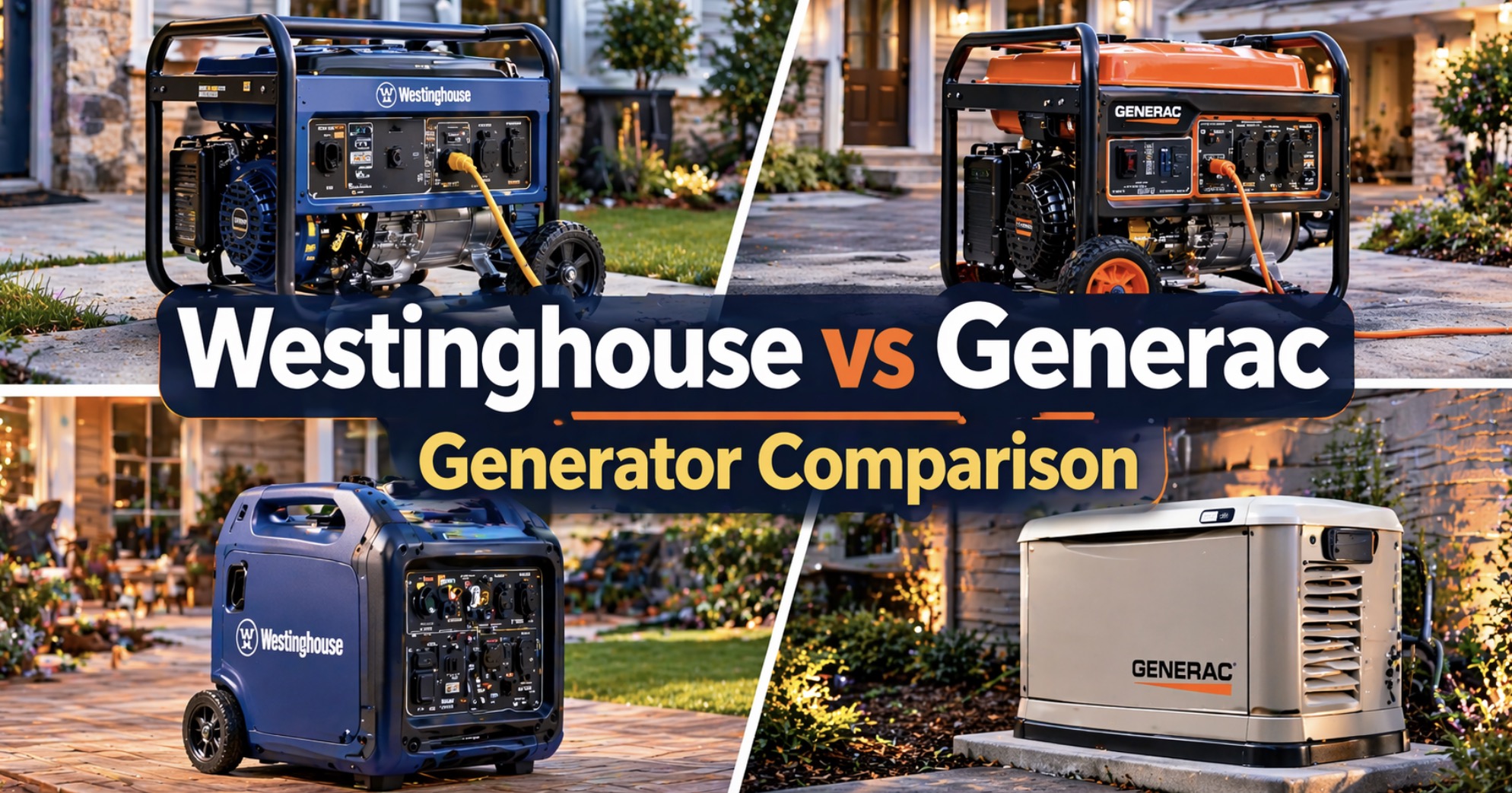
Choosing between Westinghouse and Generac usually comes down to how you plan to use the generator, how much power you need, and whether you care more about broad portable value or brand recognition in home-backup systems. Both names are well known in the generator market, but they are not always strongest in exactly the same categories. Westinghouse is often praised for feature-rich portable and dual-fuel models with strong wattage for the money, while Generac is especially well known for standby systems and also offers a wide range of portable and inverter generators.
That means this is not really a simple “which one is better?” comparison. The better question is which brand fits your specific use case more closely. A homeowner looking at larger backup solutions may instinctively think of Generac first, while someone shopping for a high-output portable or dual-fuel unit may find Westinghouse especially attractive.
If you want model-by-model background before deciding, these brand-specific review guides are worth reading too: Westinghouse Generator Reviews (Dual Fuel, Inverter, Standby) and Generac Generator Reviews (Dual Fuel, Inverter, Standby).

Westinghouse 13500 Peak Watt Dual Fuel Home Backup Portable Generator, Remote Electric Start, Transfer Switch Ready, Gas and Propane Powered

Westinghouse 28000 Peak Watt Home Backup Portable Generator, Remote Electric Start with Auto Choke, Transfer Switch Ready 30A & 50A Outlets, Gas Powered, CO Sensor,Blue

Westinghouse 14500 Peak Watt Dual Fuel Home Backup Portable Generator, Remote Electric Start, Transfer Switch Ready, Gas and Propane Powered

Generac 12,500 Starting Watt Tri-Fuel Portable Generator, Electric Start | Gas, Propane, Or Natural Gas Fuel Options, COsense CO Detection, 9.5 Hour Runtime, Emergency Home Backup, 49 State Compliant

Generac 14kW Whole Home Generator, Transfer Switch & Cellular Capability | Whole House Backup Power, Automatic 200 Amp Transfer Switch, Outdoor Gas Propane, Protects Home Outages, Storm Protection
Generac 22kW Whole Home Generator, Transfer Switch & Cellular Capability | Whole House Backup Power, Automatic 200 Amp Transfer Switch, Outdoor Gas Propane, Protects Home Outages, Storm Protection
Brand Positioning: Portable Value vs Backup Legacy
Westinghouse and Generac overlap in the generator world, but they often feel strongest in different lanes.
Westinghouse is frequently associated with portable power, dual-fuel flexibility, remote start convenience, RV-ready configurations, and high output at competitive prices. The brand tends to stand out when buyers want strong features and substantial wattage without stepping into an extreme premium price bracket.
Generac, on the other hand, has enormous brand recognition in the standby and whole-home backup space. For many homeowners, Generac is one of the first names that comes to mind when permanent backup power is discussed. That recognition carries over into portable and inverter categories too, although some buyers still think of Generac first and foremost as a standby brand.
If you have not yet worked out your real power needs, do that before comparing brands too closely. A tool like Generator Load Calculation Sheet and Formula helps make the decision more practical by matching wattage needs to the kind of generator you actually need.
Price and Value
In many portable-generator comparisons, Westinghouse comes across as a very strong value play. Buyers often get lots of wattage, good runtime, remote start on some models, and dual-fuel capability at a price that feels competitive for the feature set.
Generac products can also deliver good value, but the brand’s reputation and market position in home backup sometimes make the buying conversation feel different. Depending on the category, buyers may be paying not just for portable power output, but also for trust in the brand name and familiarity with Generac’s backup ecosystem.
In simple terms:
- Westinghouse: often strong on output-per-dollar and feature-rich portables.
- Generac: often strong on brand familiarity, especially for home backup buyers.
That does not automatically mean Westinghouse is always cheaper or better value in every segment. It means Westinghouse often feels particularly compelling in portable categories where buyers are comparing watts, outlets, starting method, fuel flexibility, and runtime line by line.

Westinghouse 12500 Watt Dual Fuel Home Backup Portable Generator, Remote Electric Start, Transfer Switch Ready, Gas and Propane Powered
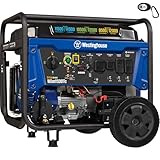
Westinghouse 14500 Peak Watt Tri-Fuel Home Backup Portable Generator, Remote Electric Start, Transfer Switch Ready, Gas, Propane, and Natural Gas Powered
Westinghouse 13500 Peak Watt Dual Fuel Home Backup Portable Generator, Remote Electric Start, Transfer Switch Ready, Gas and Propane Powered
Portable Generators: Where Westinghouse Often Shines
Westinghouse has built a strong reputation in portable generators, especially among buyers who want substantial output and practical features. A lot of Westinghouse portables are aimed at homeowners, RV users, and jobsite buyers who want real capacity, not just a compact emergency charger.
Common strengths buyers often look for in Westinghouse portables include:
- High starting and running wattage
- Dual-fuel options on many popular models
- Remote start or electric start convenience
- 50-amp-ready or home-backup-friendly output on larger units
- Competitive pricing compared with similarly capable alternatives
If your main goal is to keep a refrigerator, lights, microwave, sump pump, fans, and maybe even larger circuits going during an outage, Westinghouse often looks very attractive because of the amount of practical power it offers.
Standby Reputation: Where Generac Often Leads the Conversation
Generac has exceptional recognition in the standby-generator world. Many homeowners researching permanent backup systems start with Generac simply because the brand has become so closely associated with automatic whole-home backup.
That matters because standby buyers often care about more than just raw specs. They care about installation networks, transfer-switch compatibility, service familiarity, replacement parts, and the general feeling that they are buying into a known backup-power ecosystem.
So if your focus is a permanently installed backup solution rather than a moveable portable unit, Generac often has the stronger brand pull. Even when another brand may compete well on paper, Generac’s familiarity in this category is a big advantage.
Dual-Fuel Flexibility
For buyers interested in running on gasoline and propane, Westinghouse often stands out more clearly. Dual-fuel capability is a practical advantage during longer outages, because propane can be easier to store and more stable over time than gasoline.
That kind of flexibility matters a lot for homeowners who want options during fuel shortages or storm-season supply problems. Westinghouse has become a very recognizable name in this dual-fuel portable category.
Generac certainly offers strong backup options, but when buyers specifically want portable dual-fuel flexibility in a mainstream, easy-to-shop package, Westinghouse is often one of the first brands they compare.
If you plan to keep fuel and maintenance gear ready, common add-ons like a portable generator cover, a generator fuel stabilizer, and a generator transfer switch kit are sensible accessories regardless of which direction you choose.
Noise and Inverter Use
If you are comparing inverter models for camping, RV use, tailgating, or noise-sensitive settings, both brands can be worth a look. But you should compare within the same product category rather than assuming the brand name alone answers the question.
Some Westinghouse inverter models are well regarded for balancing good runtime, usable power, and reasonable noise levels. Generac inverter generators also appeal to buyers who want compact backup or recreation-friendly power from a recognizable brand.
That said, neither brand is automatically the universal “quietest” answer in every inverter class. In this part of the market, the specific model often matters more than the badge on the side.
Output and Real-World Use Cases
A lot of comparisons come down to what you actually want to power.
- For camping or tailgating: smaller inverter models matter more than large home-backup-capable machines.
- For RV use: outlet configuration, surge capacity, and portability become very important.
- For outage backup: runtime, fuel options, and the ability to handle refrigerator and pump startup loads are critical.
- For home standby: installation, automatic transfer, service support, and long-term reliability become central.
Westinghouse often wins attention in the “portable but serious” zone, where buyers want enough wattage to cover many essentials without moving all the way into a permanently installed system. Generac often feels strongest when the conversation shifts toward permanent or semi-permanent home backup planning.
Maintenance, Service, and Ownership Experience
No generator brand escapes maintenance. Oil changes, air filter checks, spark plug service, battery upkeep on electric-start models, proper storage, and load management all matter.
Where the experience can differ is in owner expectations. Westinghouse buyers often appreciate getting a lot of features for the price and may feel they got strong practical value. Generac buyers often take comfort in broader brand familiarity, especially if they are already thinking in terms of standby systems, installers, and long-term home backup confidence.
For everyday troubleshooting and repair basics, it also helps to keep Generator Parts and Repairs bookmarked, because many real-world problems come down to maintenance and setup rather than brand-specific defects.

Generac 0J93230SSM 20Kw-22Kw SM 999 Maintenance Kit (Synthetic Oil) | Generac 5W-20 Maintenance Kit for 20Kw-22Kw 999cc Generators (0J93230SSM)

RVINGPRO 30 Amp Generator Cord 25FT and Pre-Drilled Power Inlet Box | 30 Amp Generator Inlet Box with Cord, NEMA L14-30P to L14-30R Generator Cord Waterproof Combo Kit, ETL Listed

VEVOR 30 Amp Generator Cord 25FT and Power Inlet Box Kit, 10/4 SJTW Pure Copper Generator Plug NEMA L14-30P to L14-30R Twist Lock, Pre-Drilled 30 Amp Inlet Box, ETL Listed
Which Brand Is Better for Home Backup?
This depends on what kind of backup you mean.
If you mean a portable backup generator that can be wheeled out during outages, Westinghouse often makes a very strong case because of its high-output portables, dual-fuel options, and feature-rich larger units.
If you mean a permanently installed standby generator that starts automatically when utility power fails, Generac often has the stronger identity and mindshare. That does not mean Westinghouse cannot compete in related backup categories, but Generac is especially hard to ignore in standby discussions.
So the answer is:
- Westinghouse for many portable backup scenarios
- Generac for many standby-focused backup conversations
Which Brand Is Better for RVs and Portable Lifestyle Use?
For RVing, camping, and portable use, Westinghouse often looks more naturally appealing because of the brand’s strong portable lineup and feature-forward approach. Buyers shopping for moveable power tend to focus heavily on outlets, fuel flexibility, portability, startup convenience, and wattage value, all areas where Westinghouse frequently performs well.
Generac can still make sense in portable recreation use, especially if a buyer prefers the brand and finds a model that fits the application. But in the portable lifestyle category, Westinghouse often feels more directly targeted.
Which Brand Offers Better Value?
If value means getting a lot of output, practical features, and dual-fuel capability for the money, Westinghouse often comes out looking stronger.
If value means buying into a brand with major name recognition in home backup, especially standby systems, some buyers will feel more comfortable with Generac.
That is why the “better value” answer changes depending on what you are trying to solve:
- Portable value: Westinghouse often looks stronger.
- Standby confidence and familiarity: Generac often looks stronger.
Final Buying Advice
Before choosing Westinghouse or Generac, think through these questions honestly:
- Do you need a portable generator or a permanent standby system?
- How important is dual-fuel capability?
- Are you comparing brands, or are you really comparing one specific model from each?
- How much startup surge do your appliances require?
- Do you want the best watts-per-dollar, or the brand that feels most familiar for home backup?
In many cases, shoppers discover they are not really deciding between “Westinghouse vs Generac” as brands. They are deciding between a feature-rich portable solution and a more standby-oriented ownership mindset.
Summary
Westinghouse and Generac are both important generator brands, but they tend to shine in slightly different ways. Westinghouse often stands out for portable power, dual-fuel flexibility, strong output, and value-rich features. Generac often stands out for brand strength in standby and whole-home backup, along with the trust that comes from being so closely associated with residential backup systems. If you want a portable generator with strong features and compelling wattage for the money, Westinghouse is often the smarter buy. If you are focused on whole-home backup and want a brand closely tied to standby power, Generac often feels like the more natural choice.
Savior Generator Petcock Gas Fuel Tank Shut Off Valve for Champion Generac | 0j0974,Switch,Predator Etq Homelite Husky Powermax,(16mm x 1.5mm)

Pull Start Assembly with Start Cup Compatible with Honda GX120 GX160 GX200 | Recoil Starter Compatible with 28400-ZE1-003ZF 28400-ZH8-013YA Pull Starter Engine 4/5.5/6.5hp Motor (2 PACK)

Generac 5W-20 Maintenance Kit for 20Kw-26Kw 999cc Generators (Replaces A0002074712)

YGQ Generator Fuel Petcock Shut Off Valve for Champion 122.070400.05 | for Generac 310574GS Firman Gas Tank Switch M10X1.25mm
Supermotorparts 192980GS Fuel Shut Off Valve Service Kit w/Grommet Bushing Plastic Gas Tank

GNA410 Generator Wheel and Handle Kit for W-EN 4500 and 4750-Watt Generators, Compatible with W-EN DF475T, DF475, GN4500, DF472, DF475X, DF472X
About GeneratorStop.com
We are your #1 power generator guide and resource online. We are dedicated on providing you the best and most useful generator related articles, reviews and tools. learn more...