


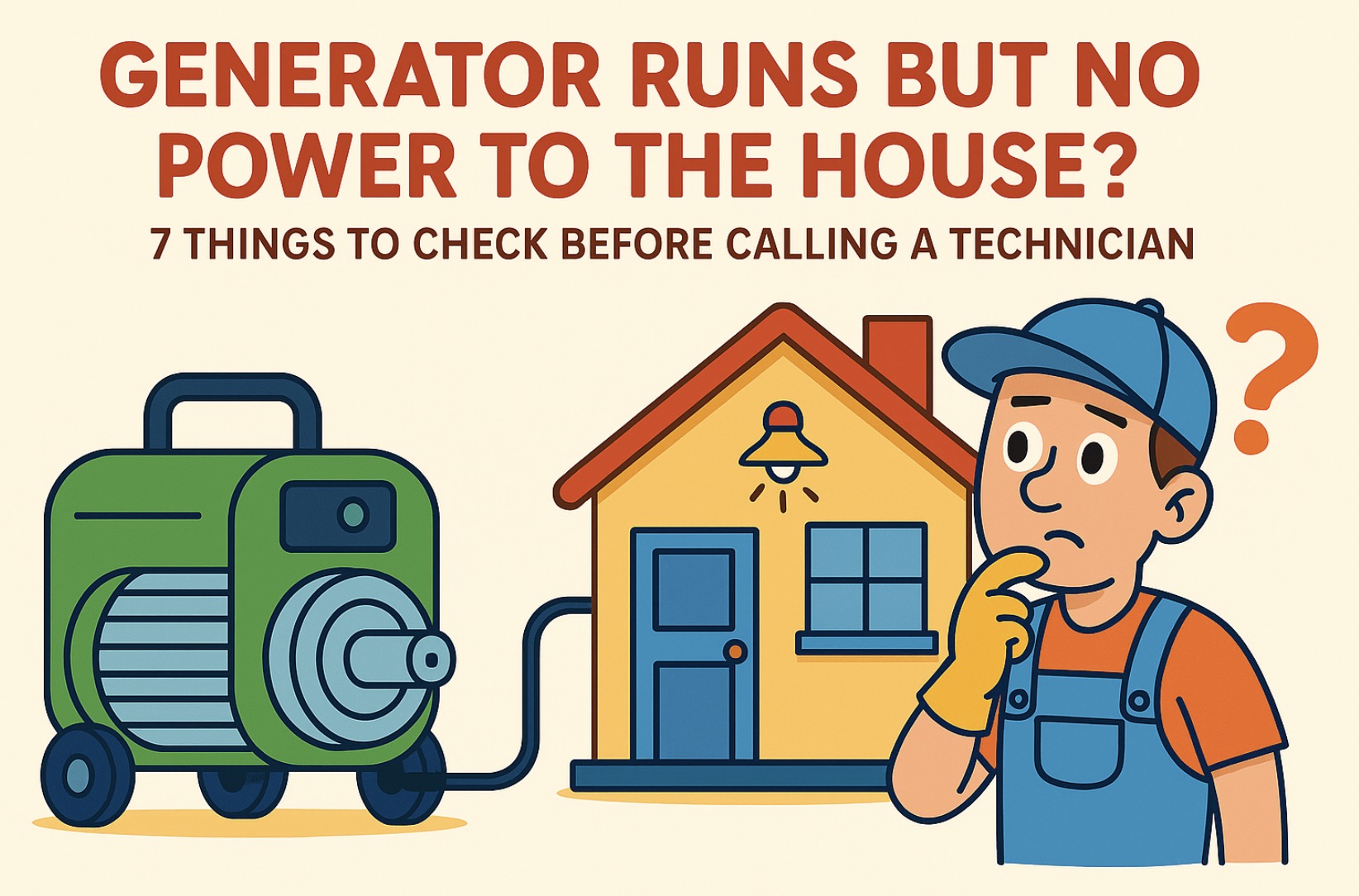
Generator Runs but No Power to the House? 7 Things to Check Before Calling a Technician
* This site contains affiliate links for which we may be compensated.
* This site contains affiliate links for which we may be compensated.
Few things are more frustrating than hearing your generator humming away while your house stays dark. The good news: in many cases, the problem is somewhere between the generator outlet and your home’s electrical panel—not deep inside the generator itself. Before you call a technician (and pay diagnostic fees), walk through these common checks to narrow down the cause.
Before You Start: Safety First
Working around live power can be dangerous. Always:
- Turn off or disconnect loads before plugging/unplugging anything.
- If you’ll open a panel, switch off the main breaker and follow basic lockout practices.
- Never back‑feed a house through a dryer outlet or similar “cheater” setup.
- Use a non-contact voltage tester or digital multimeter only if you’re comfortable working around electricity.
For a broader look at what can go wrong inside generators (AVR, windings, brushes, etc.), check out the overview at Generator Parts and Repairs.

AstroAI Digital Multimeter Tester 2000 Counts with DC AC Voltmeter and Ohm Volt Amp Meter; Measures Voltage, Current, Resistance, Continuity and Diode, Blue

Klein Tools MM325 Multimeter, Digital Manual-Ranging 600V AC/DC Voltage Tester, Tests Batteries, Current, Resistance, Diodes, and Continuity

Klein Tools MM420 Digital Multimeter, Auto-Ranging TRMS Multimeter, 600V AC/DC Voltage, 10A AC/DC Current, 50 MOhms Resistance
1. Make Sure the Generator Is Actually Producing Power
It sounds obvious, but start by confirming that the generator itself is making AC power at its outlets:
- With the engine running, plug in a simple test load (work light, drill, fan) directly into the generator’s 120V outlet.
- If that device doesn’t run, use a plug-in outlet tester to see if any voltage is present.
- Check the generator’s main breaker and individual outlet breakers; reset any that are tripped.
- If your generator has a digital display, verify you’re seeing close to 120V (and 240V if your unit provides it).
If there’s no power at the generator’s own outlets, the issue is in the generator head (AVR, windings, excitation) rather than the house. That’s where brand-specific repair content, like the troubleshooting style shown in Westinghouse Generator Reviews (Dual Fuel, Inverter, Standby), can help you think through “no output” scenarios.
2. Check the Generator’s Breakers, GFCIs, and 240V Selector
Even if one outlet works, others may be disabled:
- Confirm the generator’s main breaker is firmly in the ON position.
- Press RESET on any GFCI outlets on the generator panel.
- On models with a 120V/240V selector switch, make sure it’s in the right position for your transfer switch or load.
- Inspect the panel for a small, tripped breaker feeding the 30A or 50A locking receptacle.
If your house is fed through the 30A or 50A twist‑lock outlet, a tripped breaker or wrong selector setting can leave the house dark even while smaller outlets work.
3. Inspect Generator Cords, Inlet Boxes, and Connectors
Next, work along the path from generator to house:
- Check your heavy‑duty generator cord for cuts, kinks, or melted spots. If in doubt, test with a different cord.
- Use a rugged, outdoor‑rated 30A or 50A generator extension cord sized appropriately for your load and distance.
- Verify the twist‑lock plug is fully seated and locked into the generator outlet.
- At the house inlet box, check for obvious corrosion, loose connections, or burned plastic around the receptacle.
A damaged cord or loose plug can easily interrupt power to the home while the generator appears to run normally.

PlugSaf 50FT 30 Amp Generator Extension Cord 4 Prong, NEMA L14-30P/L14-30R 10 Gauge STW 125/250V Twist Lock Generator Cord Heavy Duty, Yellow ETL Listed

ISLEWIRE 4 Prong 30 Amp Extension Generator Cord 50FT, NEMA L14-30P/L14-30R, 125/250 Volt Up to 7500 Watts, 10 Gauge SJTW Twist Lock Power Cord for Manual Transfer Switch, Black&Green, ETL Listed
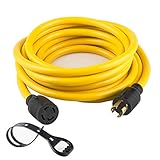
50 FEET Heavy Duty Generator Locking Power Cord NEMA L14-30P/L14-30R,4 Prong 10 Gauge SJTW Cable, 125/250V 30Amp 7500 Watts Yellow Generator Lock Extension Cord with UL Listed Yodotek
4. Verify the Transfer Switch or Interlock Position
If the generator is producing power and the cord/inlet look good, the next suspect is the transfer mechanism:
- Manual transfer switch: ensure the switch handle is fully in the “GEN” or “GENERATOR” position—not stuck halfway.
- Breaker interlock kit: the main utility breaker must be OFF and the generator breaker ON for power to feed the panel safely.
- Check that the generator breaker inside the transfer switch hasn’t tripped; reset if necessary.
For built‑in home standby systems (e.g., Generac, Briggs & Stratton, etc.), the automatic transfer switch (ATS) has its own logic, timers, and contactors. For example, Generac publishes detailed ATS and wiring guidance in its product support area, such as the resources available under Generac Product Support Lookup.
5. Check the House Breaker Panel and Individual Circuits
Even if the transfer switch is engaged, individual breakers inside your main panel may have tripped:
- Open the main panel and look for breakers that are in the middle or OFF position.
- Reset any tripped breakers by switching them fully OFF, then back to ON.
- Remember that most transfer setups only power selected circuits (lights, fridge, furnace, well pump)—not the entire panel.
- Test outlets on generator‑powered circuits using a small appliance or simple outlet tester.
If only some rooms or appliances are dead, you may have a tripped branch breaker, wiring problem, or load‑shed module issue—not a generator failure.
6. Look for Tripped Load-Shed Modules and ATS Controls (Standby Systems)
Home standby generators often use load‑shed modules and control boards to manage big loads (AC, water heater, etc.):
- Inspect any load‑shed modules near the panel for status LEDs or tripped indicators.
- On the ATS, look for alarm codes or fault lights that might indicate transfer issues.
- Some systems allow a manual override or test mode—consult your standby system’s manual before changing settings.
- If the generator runs but the ATS never transfers, the fault may be in the sensing/control circuit rather than the generator itself.
If this all feels overwhelming, you’re not alone—many owners prefer to focus on fuel and basic maintenance and leave deep electrical diagnosis to pros. That’s why high‑level repair overviews like the ones in Generator Parts and Repairs are useful for understanding the big picture before you call anyone.
7. Rule Out Internal Generator Electrical Problems
If you’ve verified:
- The generator is producing power at its outlets.
- Your cords, inlet, transfer switch, and panel breakers are okay.
…but you still have no power (or unstable power) in the house, the problem may indeed be inside the generator. Common culprits include:
- Failed AVR (automatic voltage regulator).
- Damaged stator or rotor windings.
- Worn brushes or damaged slip rings on brushed alternators.
- Loose or corroded wiring between the alternator, control panel, and outlets.
At this point, you’ll want a wiring diagram and model‑specific testing steps. Some owners are comfortable going deeper on their own; others prefer to stop here and call a technician, especially on newer or still‑under‑warranty sets.
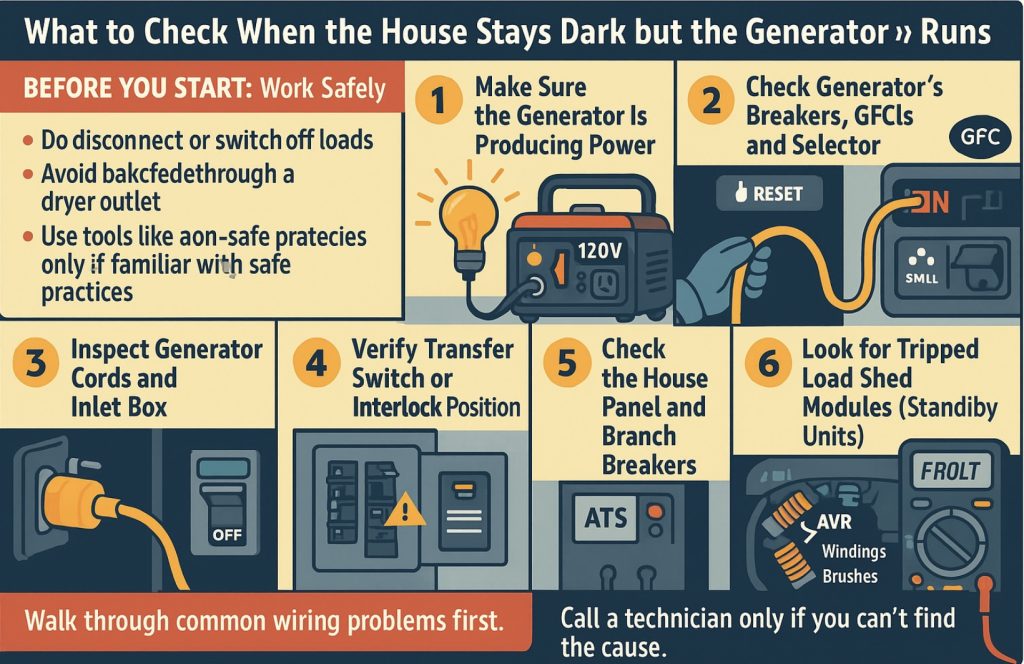
Here’s an infographic to put summarize them:
When Should You Call a Technician?
It’s time to call a pro if:
- You’re not comfortable opening electrical panels or testing live circuits with a meter.
- The generator isn’t producing power at its own outlets even after checking breakers and GFCIs.
- Your standby system’s ATS is showing fault codes you don’t understand.
- You suspect damaged windings, an AVR failure, or a wiring fault you can’t easily trace.
When you do call, be ready with:
- Generator brand, model, and serial number.
- Type of transfer setup (manual switch, interlock, ATS).
- What you’ve already checked and any test results (voltage readings, tripped breakers, etc.).
A clear description of your checks can cut down on diagnostic time—and sometimes the tech can even spot a missed setting over the phone.
Preventive Tips to Avoid “Runs but No Power to the House” Problems
A few habits go a long way toward avoiding this headache in the first place:
- Exercise the generator monthly under load so contacts, relays, and brushes stay clean.
- Label your transfer switch and panel clearly so anyone in the house can set it correctly under stress.
- Use a properly rated generator cord and inspect it before storm season.
- Keep up with oil, filter, and fuel maintenance—articles about generator oil choice explain how viscosity and quality tie into long-term reliability.
- Log run hours, tests, and any issues so small problems don’t get forgotten between outages.
Summary
When a generator runs but your house is still dark, the fault is often in cords, inlets, transfer switches, or panel breakers—not the engine. Work step‑by‑step: verify the generator is producing power, check breakers and cords, confirm transfer switch positions, and inspect your panel. Only then move on to internal alternator or ATS problems. A careful checklist can save you an expensive service visit—and when you do need a technician, you’ll have clear information ready to share.

Savior Generator Petcock Fuel Gas Tank Switch Shut Off Valve for Predator Champion Generac Etq Homelite Husky Powermax Replace 0j0974 (16mm x 1.5mm)
(as of April 3, 2026 14:18 GMT +00:00 - More infoProduct prices and availability are accurate as of the date/time indicated and are subject to change. Any price and availability information displayed on [relevant Amazon Site(s), as applicable] at the time of purchase will apply to the purchase of this product.)
Highfine Generator Fuel Tank Shut off Valve 28-1783-V M10X1.25
(as of April 3, 2026 12:45 GMT +00:00 - More infoProduct prices and availability are accurate as of the date/time indicated and are subject to change. Any price and availability information displayed on [relevant Amazon Site(s), as applicable] at the time of purchase will apply to the purchase of this product.)
WEN GNA410 Generator Wheel and Handle Kit for WEN 4500 and 4750-Watt Generators (Black)
(as of April 3, 2026 12:45 GMT +00:00 - More infoProduct prices and availability are accurate as of the date/time indicated and are subject to change. Any price and availability information displayed on [relevant Amazon Site(s), as applicable] at the time of purchase will apply to the purchase of this product.)
Supermotorparts 192980GS Fuel Shut Off Valve Service Kit w/Grommet Bushing Plastic Gas Tank
(as of April 3, 2026 12:47 GMT +00:00 - More infoProduct prices and availability are accurate as of the date/time indicated and are subject to change. Any price and availability information displayed on [relevant Amazon Site(s), as applicable] at the time of purchase will apply to the purchase of this product.)About GeneratorStop.com
We are your #1 power generator guide and resource online. We are dedicated on providing you the best and most useful generator related articles, reviews and tools. learn more...