


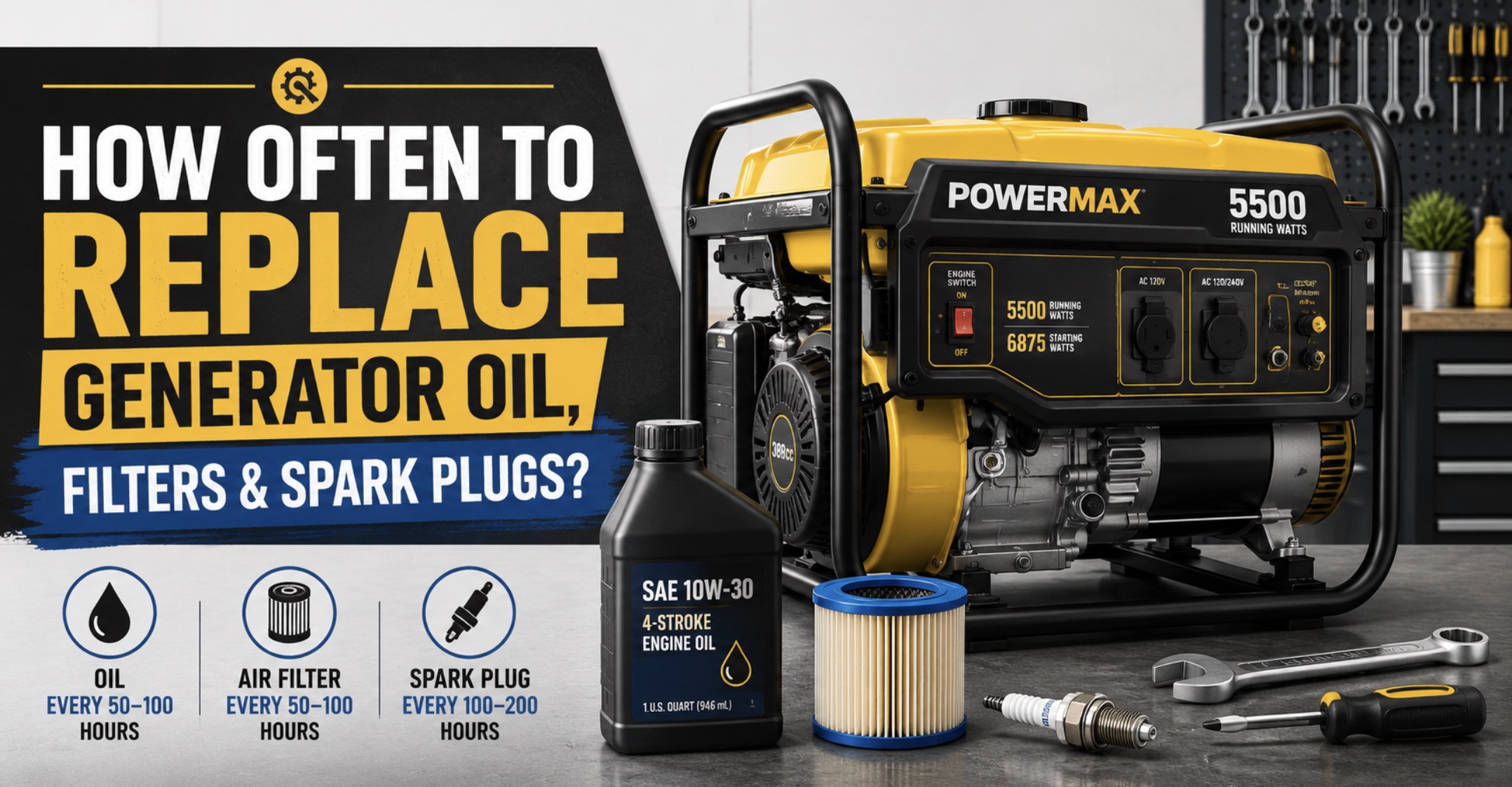
How often should you replace generator oil, filters, and spark plugs?
* This site contains affiliate links for which we may be compensated.
Generator maintenance is one of those things that feels easy to ignore until the power goes out and the engine refuses to start, runs rough, smokes, shuts down, or cannot carry a load. The most important routine service items are engine oil, air filters, fuel filters, and spark plugs. These parts are not expensive, but they have a huge effect on how reliably your generator starts and how long the engine lasts.
As a general rule, many portable generators need their first oil change after the break-in period, then oil changes every 50 to 100 hours or at least once per season. Air filters should be checked often and replaced when dirty, damaged, oily, or wet. Spark plugs are commonly replaced once per season, annually, or around every 100 hours depending on use and manufacturer guidance. Fuel filters should be inspected regularly and replaced when restricted, dirty, brittle, or during a yearly tune-up if the generator is used for backup power.
For a broader look at generator maintenance, parts, and repair topics, see Generator Parts and Repairs.
Quick Maintenance Schedule
Every generator manual is different, so always check your exact model’s maintenance chart first. Still, this general schedule works as a practical starting point for many portable generators:
- Engine oil: first change after break-in, then every 50–100 hours or once per season.
- Air filter: inspect before heavy use, clean if allowed, replace when dirty, damaged, wet, or oily.
- Spark plug: inspect every season or every 50–100 hours, replace yearly or when worn/fouled.
- Fuel filter: inspect every season, replace yearly or sooner if fuel flow seems restricted.
- Oil filter, if equipped: replace with every oil change or according to the manual.
If your generator is used during storms, construction work, camping trips, dusty job sites, or long outages, service it more often. Maintenance based only on calendar time can be misleading because one generator may run 10 hours in a year while another may run 80 hours in a single power outage.
Why Maintenance Intervals Matter
A generator engine is usually a small, hard-working engine running at steady speed for long periods. Unlike a car engine that benefits from road airflow, gear changes, and larger oil capacity, a portable generator may be sitting in hot weather under a steady electrical load for hours.
Skipping routine maintenance can lead to:
- Hard starting
- Rough idle or surging
- Low-oil shutdown problems
- Smoke from the exhaust
- Overheating
- Dirty carburetor symptoms
- Poor fuel economy
- Weak power under load
- Premature engine wear
Oil, filters, and spark plugs are cheap compared with a damaged engine, failed carburetor, or emergency repair during an outage.
How Often to Replace Generator Oil
For many portable generators, oil should be changed after the initial break-in period, then every 50 to 100 operating hours or at least once per season. Some manufacturers recommend an early first oil change because new engines shed tiny metal particles as parts seat during the first hours of operation.
A practical oil-change schedule looks like this:
- New generator: change oil after the break-in period, often around the first 5–25 hours depending on the manual.
- Normal occasional use: change oil every 50–100 hours or once a year.
- Heavy outage use: check oil daily and change sooner if the generator runs many continuous hours.
- Dusty, hot, or high-load use: shorten the interval because oil breaks down faster.
- Before long storage: consider changing dirty oil so the engine is not stored with contaminants inside.
GeneratorStop’s oil guide notes that oil choice depends on operating conditions, weather, and generator requirements, so it is worth checking 5W20 vs 5W30 vs 10W30 Oil – Which One to Use for Generators? before switching viscosities.
Signs Your Generator Oil Needs Changing Sooner
Do not wait for the hour meter if the oil already looks bad. Change generator oil sooner if you notice:
- Oil is dark, gritty, or smells burnt.
- Oil level drops faster than normal.
- The generator ran for many hours during a power outage.
- The engine sounds louder or harsher than usual.
- The generator overheated or ran heavily loaded.
- The oil has fuel smell from flooding or carburetor problems.
- The generator has been sitting for a long time with old oil.
A basic kit with generator 10W-30 oil, a generator oil funnel kit, and a small oil drain pan makes oil changes faster and cleaner.

Generac 0J93230SSM 20Kw-22Kw SM 999 Maintenance Kit (Synthetic Oil)

Generac 5W-20 Maintenance Kit for 20Kw-26Kw 999cc Generators (Replaces A0002074712)

Generac 5W-30 Full Synthetic Oil Change Kit 2 Quarts oil and Filter
How Often to Replace the Oil Filter
Not every portable generator has an oil filter. Many small open-frame generators use splash lubrication and only require oil changes. Larger portable units, standby generators, and some higher-end engines may have a spin-on or cartridge oil filter.
If your generator has an oil filter, a good rule is:
- Replace the oil filter with every oil change if the manual recommends it.
- At minimum, replace it at the manufacturer’s interval.
- Replace it sooner after extended outage use or dirty operating conditions.
An old oil filter can restrict flow or leave dirty oil circulating through the engine. If your generator has a filter, do not treat it as optional. Use the correct replacement filter, because the wrong filter may have the wrong thread, bypass pressure, gasket size, or flow rating.
How Often to Replace the Air Filter
The air filter should be inspected more often than many owners think. A dirty air filter restricts airflow, which can make the engine run rich, smoke black, foul the spark plug, lose power, and use more fuel.
General air filter guidance:
- Inspect before storm season or heavy use.
- Check more often in dusty areas.
- Replace paper filters when dirty, wet, oily, torn, or deformed.
- Clean foam filters only if the manual says they are washable.
- Replace yearly if the generator is part of your emergency backup plan.
If you run the generator near dirt, sawdust, dry grass, construction dust, wildfire ash, or storm debris, the air filter may need attention much sooner than the normal schedule.
A spare generator air filter replacement is inexpensive and easy to store, so it makes sense to keep one with your maintenance supplies.
Paper Air Filters vs Foam Air Filters
Generator air filters are not all serviced the same way.
- Paper filters: usually replaced, not washed. Tapping out light dust may help temporarily, but a dirty, oily, wet, or damaged paper filter should be replaced.
- Foam filters: may be washable on some models. Some foam filters also require light oiling after cleaning, depending on the design.
- Dual-element filters: may use both foam and paper elements, so check both pieces.
Do not run the generator without the air filter installed. That can allow dirt into the engine and accelerate cylinder, piston ring, and valve wear.
How Often to Replace the Fuel Filter
Some generators have an inline fuel filter, while others use a tank screen, petcock screen, or carburetor inlet screen. If your generator has a replaceable fuel filter, inspect it at least once per season and replace it yearly if the generator is used for backup power.
Replace the fuel filter sooner if:
- The generator surges or starves for fuel under load.
- The filter looks dark, dirty, cloudy, or cracked.
- Fuel flow from the tank seems weak.
- The generator has been stored with old gasoline.
- You found debris, rust, or water in the tank.
Fuel filters are cheap protection for the carburetor. A clogged or restricted filter can create lean running, overheating, poor load response, and hard starting.
If you are refreshing the fuel system, consider keeping a generator fuel filter, generator fuel line, and generator fuel stabilizer on hand.
How Often to Replace Generator Spark Plugs
A spark plug can often keep firing long after it is no longer working well. That is why replacement is better than waiting for total failure. A worn plug can cause hard starting, rough running, misfires, weak performance, fouling, and poor fuel economy.
General spark plug guidance:
- Inspect the spark plug every season.
- Inspect it every 50–100 hours if the generator is used regularly.
- Replace it once a year for emergency backup generators.
- Replace it immediately if it is cracked, oily, heavily carboned, worn, or incorrectly gapped.
If your generator sits for months and then will not start, the spark plug is one of the easiest parts to check. The article Generator Won’t Start After Sitting? Here’s Why covers how storage issues can affect fuel, spark, oil, and battery condition.
What a Spark Plug Can Tell You
When you remove the spark plug, look closely at the tip. It can help diagnose more than just spark.
- Light tan or gray: often normal combustion.
- Dry black soot: rich fuel mixture, dirty air filter, or too much choke.
- Wet with fuel: flooding, weak ignition, or repeated failed start attempts.
- Wet with oil: oil burning, overfilled oil, worn rings, or valve wear.
- White or blistered: overheating, lean running, or incorrect plug heat range.
- Cracked ceramic: replace immediately.
Always replace the spark plug with the correct type and gap. A spare generator spark plug is one of the easiest items to keep in a generator storm kit.
Service More Often During Heavy Use
Generator maintenance intervals should shorten when the generator is worked hard. A unit that runs a refrigerator for a few hours during a short outage does not experience the same stress as a generator running almost nonstop through a multi-day emergency.
Service more often if:
- The generator runs continuously for long outages.
- You operate in hot weather.
- You run near the rated wattage limit.
- The area is dusty, sandy, smoky, or full of storm debris.
- The generator is used for jobsite work.
- The engine frequently starts and stops.
Heavy use means more heat, more contamination, more vibration, and faster wear. If in doubt, change oil and inspect filters early. It is cheaper than engine damage.

SIMPERAC EU2000i Air Filter Spark Plug for Honda Generator EU2000I EB2000I EU2200IT EB2200IT EU2000IT EB2000IT1 EU2000IK1 EU2000IT1 Generator Parts 17211-Z07-000 Air Filter

Generator Tune Up Kit Compatible with Honda EU3000, EU3000is Generators, OEM

Honda EU2000i / EU2200i / EB2000I Generator Tune-Up Kit - Includes 17211-Z07-000 Air Filter, 17218-Z07-000 Outer filter, 98056-55777 Spark Plug and 08213-10W30 12oz Bottle of 10W-30 Oil
Maintenance Before Long-Term Storage
If you store the generator for months, do not just push it into the garage and forget about it. Storage is when many generator problems begin.
Before storage:
- Change dirty oil.
- Inspect or replace the air filter.
- Check the spark plug.
- Use fuel stabilizer or drain fuel according to your storage plan.
- Run the generator briefly after adding stabilized fuel so treated fuel reaches the carburetor.
- Store the generator level and dry.
- Keep a record of service date and run hours.
Fresh oil before storage can reduce the time old contaminants sit inside the engine. Stabilized fuel or proper draining can reduce the chance of carburetor clogging.
Maintenance After a Long Outage
After a long power outage, inspect the generator before putting it away. Long runs can push the generator close to its next service interval quickly.
After heavy outage use:
- Check the oil level and condition.
- Change the oil if the generator ran many hours.
- Inspect the air filter for dust or moisture.
- Check the spark plug if the engine ran rough.
- Inspect cords and outlets for heat damage.
- Look for oil or fuel leaks.
- Record total estimated run hours.
If your generator ran through a hurricane, ice storm, wildfire outage, or multi-day blackout, assume it earned at least a careful inspection.
Keep a Maintenance Log
A simple maintenance log helps you avoid guessing. You do not need anything fancy. A notebook, tag, spreadsheet, or note on your phone is enough.
Track:
- Date of oil change
- Estimated run hours
- Oil type used
- Air filter replacement date
- Spark plug replacement date
- Fuel filter replacement date
- Any repairs or symptoms noticed
A log is especially helpful for backup generators because they may sit for long stretches, then suddenly run many hours during an emergency.
Suggested Spare Parts to Keep on Hand
If your generator is used for emergency power, keep basic maintenance parts ready before you need them.
Useful spares include:
- Correct engine oil
- Oil filter if your generator uses one
- Air filter
- Spark plug
- Fuel filter
- Fuel stabilizer
- Oil funnel
- Drain pan
- Basic sockets and spark plug wrench
A small kit can prevent a simple maintenance issue from becoming a major problem during a power outage.
Do Not Ignore Warning Symptoms Between Service Intervals
Maintenance schedules are helpful, but symptoms matter more than the calendar. Service the generator early if it starts acting differently.
Warning signs include:
- Hard starting
- Surging under load
- Black smoke
- Blue smoke
- Sudden shutdowns
- Loss of power
- Overheating
- Fuel smell
- Oil consumption
- Repeated fouled spark plugs
If symptoms appear shortly after maintenance, double-check oil level, filter installation, spark plug type, plug gap, and fuel quality. Small mistakes during service can create new problems.
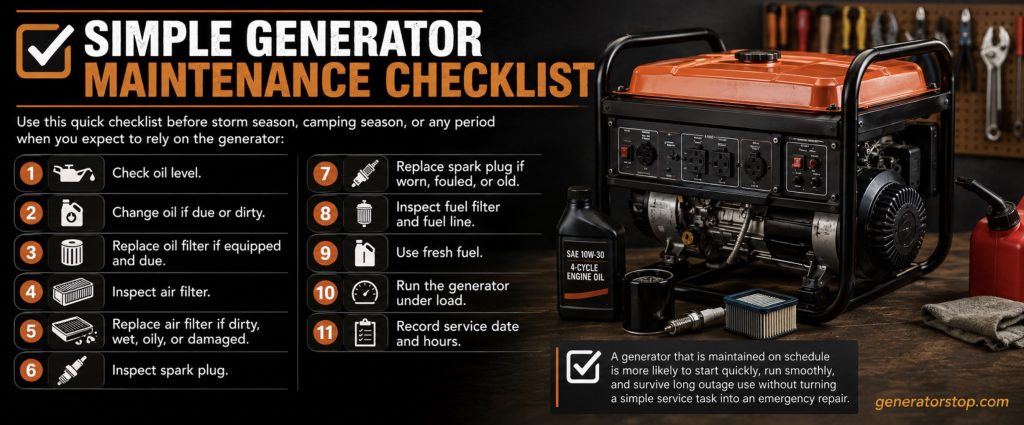
Simple Generator Maintenance Checklist
Use this quick checklist before storm season, camping season, or any period when you expect to rely on the generator:
- Check oil level.
- Change oil if due or dirty.
- Replace oil filter if equipped and due.
- Inspect air filter.
- Replace air filter if dirty, wet, oily, or damaged.
- Inspect spark plug.
- Replace spark plug if worn, fouled, or old.
- Inspect fuel filter and fuel line.
- Use fresh fuel.
- Run the generator under load.
- Record service date and hours.
A generator that is maintained on schedule is more likely to start quickly, run smoothly, and survive long outage use without turning a simple service task into an emergency repair.
Summary
Most portable generators should have their oil changed after the break-in period and then every 50 to 100 hours or at least once per season. Air filters should be inspected often and replaced whenever they are dirty, damaged, oily, or wet. Spark plugs should be inspected every season and commonly replaced yearly or around every 100 hours, especially for backup generators. Fuel filters should be checked regularly and replaced yearly or sooner if fuel flow is restricted. The exact schedule depends on your generator model, hours of use, fuel quality, weather, dust, load, and storage habits, so always use the owner’s manual as the final authority.
Savior Generator Petcock Gas Fuel Tank Shut Off Valve for Champion Generac
BlueStars 212CC Pull Start Recoil Starter - for Harbor Freight Predator

WOTIAN Pull Start Assembly Compatible with Champion 389cc 420cc 439cc 459cc 5500w 7500w 9000w Generator Parts Engine Recoil Starter Part#46.061000.00
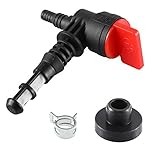
Supermotorparts 192980GS Fuel Shut Off Valve Service Kit w/Grommet Bushing Plastic Gas Tank
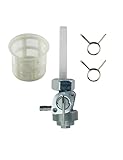
YAMAKATO Predator 9000 8750 4000 4375 Generator Fuel Tank Shut Off Valve
About GeneratorStop.com
We are your #1 power generator guide and resource online. We are dedicated on providing you the best and most useful generator related articles, reviews and tools. learn more...