


Generator Won’t Start After Sitting? Here’s Why
* This site contains affiliate links for which we may be compensated.
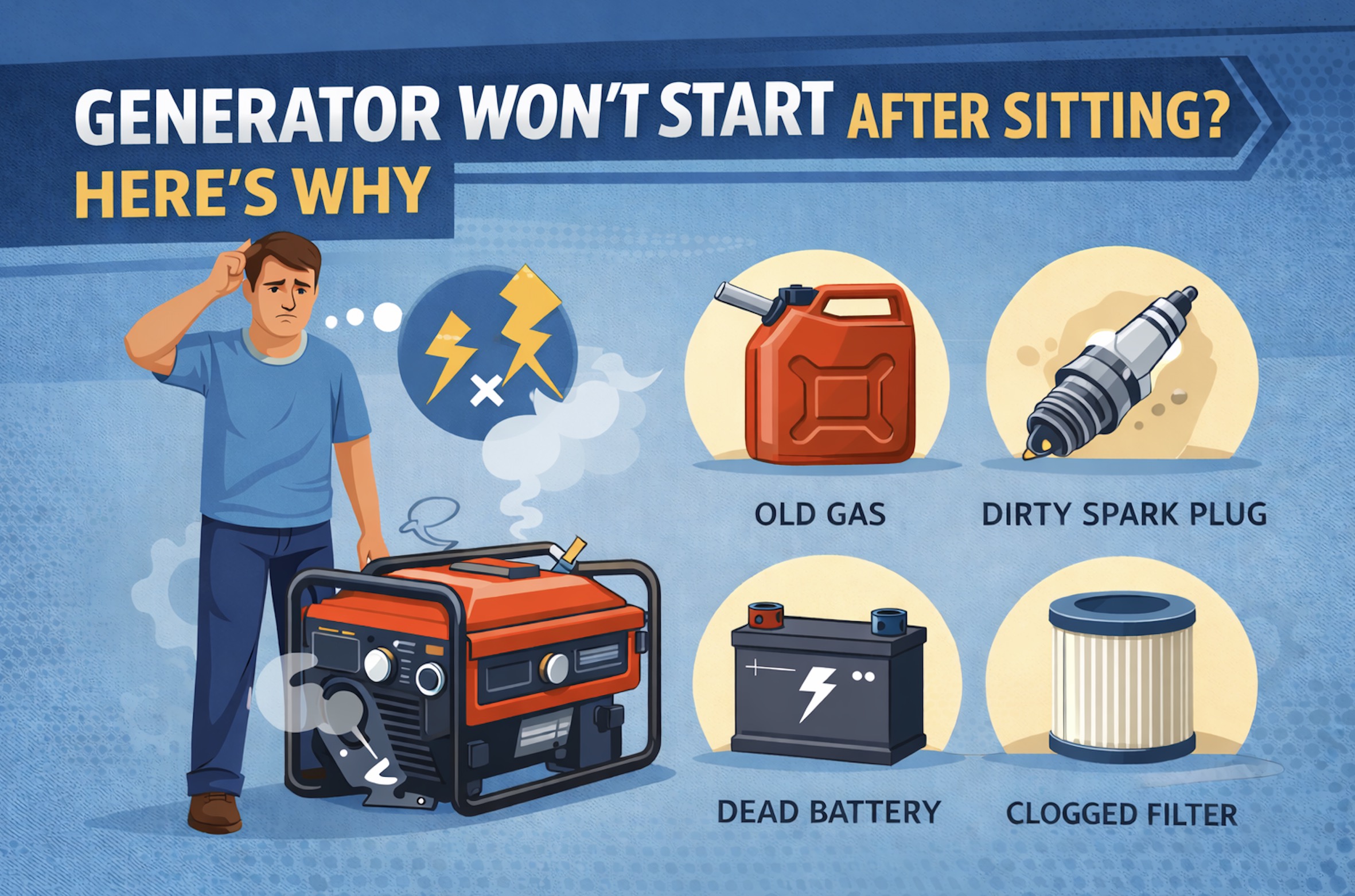
Generator problems that show up after weeks or months of sitting are usually caused by stale fuel, a dirty carburetor, a weak battery, or corrosion in the ignition and fuel systems. The good news is that most of these issues are common, predictable, and often fixable at home without jumping straight to a major repair bill.
If you want a broader look at the parts involved in fuel delivery, ignition, and general troubleshooting, it helps to review Generator Parts and Repairs first.
Why a Generator Often Refuses to Start After Sitting
Small engines do not like neglect. When a generator sits too long, gasoline begins to degrade, tiny fuel passages gum up, moisture can create corrosion, and the battery may slowly discharge. Even a generator that ran perfectly the last time you used it can become stubborn once storage conditions and time start working against it.
The most common causes include:
- Stale gasoline that no longer vaporizes well
- Varnish buildup inside the carburetor jets and bowl
- A closed or clogged fuel shutoff valve
- A weak electric-start battery
- A fouled or corroded spark plug
- Low oil level on models with low-oil shutdown protection
- Rodent debris or dust blocking the air intake
In many cases, the root cause is the fuel itself. Old gasoline can leave deposits that prevent the carburetor from metering fuel correctly, which is why a can of generator carburetor cleaner or a fresh fuel stabilizer for small engines is often part of the fix.

STA-BIL Fast Fix Small Engine Treatment, 8 oz | Treats 20 gallons. Helps restore rough-running engines by cleaning carburetors and fuel injectors.

Gumout 540269 Carb & Choke Jet Spray Carburetor Cleaner, 14 Oz (Pack of 2) | Removes Gum & Varnish, Restores Idle & Fuel Economy, Safe on O2 Sensors, No Residue, Works on Small Engines

Gumout 800002230 Carb and Choke Cleaner Jet Spray - 16 oz.
Symptom Clues That Point You in the Right Direction
Before you start taking things apart, pay attention to what the generator is doing when you try to start it.
- Pull cord feels normal, but the engine never fires: often stale fuel, carburetor blockage, or no spark.
- Engine fires briefly on choke or starting fluid, then dies: usually a fuel-delivery problem, especially a dirty carburetor jet.
- Electric start only clicks or turns slowly: likely a weak battery or dirty cable connections.
- Pull cord feels unusually easy: possible compression problem, though this is less common than fuel issues.
- Engine cranks but stops immediately: check low-oil shutdown, choke position, and contaminated fuel.
A generator that sat through one full season with untreated gas is especially likely to have a clogged carburetor. If yours uses electric start, a small battery maintainer can also save a lot of frustration between uses.
Step 1: Start With Fresh Fuel
Old gasoline is the first thing to suspect. Fuel begins to break down surprisingly fast, and ethanol-blended gas can also absorb moisture. That combination makes hard starting much more likely after storage.
- Smell the fuel. If it smells sour or unusually strong, drain it.
- Empty the tank if the gas has been sitting for months.
- Drain the carburetor bowl if your generator has a drain screw.
- Refill with fresh gasoline from a clean container.
If your generator manual recommends storage procedures, it is worth following them closely. Honda’s official generator operation page also covers basic pre-start checks such as fuel, oil, and breaker position at Honda Generator Operation.
Step 2: Check the Fuel Path for Blockage
If fresh gas still does not help, the issue may be that fuel is not actually reaching the engine in the right amount.
- Make sure the fuel valve is fully on.
- Inspect the fuel line for cracks, kinks, or obvious blockage.
- Check the in-tank screen or inline fuel filter if your model has one.
- Look under the carburetor bowl for residue or varnish stains.
If the engine only runs with the choke half-on, that is a classic sign that the main jet may be partially clogged. In that situation, people often end up needing a replacement generator carburetor or at least a proper cleaning kit.
Step 3: Inspect the Spark Plug and Ignition Basics
A generator can sit long enough for the spark plug tip to foul, corrode, or loosen. Fortunately, this is one of the easiest checks you can do.
- Remove the spark plug and inspect the tip.
- If it is wet with fuel, black with carbon, or badly worn, clean or replace it.
- Check that the plug wire is firmly attached.
- Look for cracked insulation or obvious corrosion around the cap.
Keeping a spare generator spark plug on hand is cheap insurance because spark plugs are easy to rule out and frequently overlooked.

F7TC Spark Plug Fit for Harbor Predator 6.5HP 212cc 13HP 420cc Gas Engine | Compatible with Champion CPE Honda WEN Duromax Pulsar Non-Inverter 3.5-9KW Gas Generator 2Pcs

NGK 6578 Standard Series Spark Plugs (BPR4ES) - Compatible with Select Argo, Case IH & John Deere Models 2010-2024 (Qty 2)

GREPSPUD 4pcs F7TC Spark Plugs with Wrench GX120 GX160 GX200 GX240 GX270 | GX340 GX390 Sparkplugs, for 4-Stroke Engine Generator Lawnmower Chainsaw Tractor Water Pump Rototiller Go Kart Mini Bike
Step 4: Do Not Forget the Low-Oil Shutdown System
Many portable generators will crank and refuse to start, or start and stop quickly, when the oil level is too low. This catches a lot of owners off guard because the engine may have enough oil to look “close,” but not enough to satisfy the sensor.
- Set the generator on level ground.
- Check oil with the dipstick according to the manual.
- Top off with the correct viscosity if needed.
If you are unsure which viscosity fits your weather conditions, see 5W20 vs 5W30 vs 10W30 Oil – Which One to Use for Generators?.
Step 5: If It Has Electric Start, Test the Battery
A battery can lose enough charge during storage that it will no longer spin the starter fast enough, especially in cold weather. Even if the starter makes noise, the cranking speed may be too weak for the engine to catch.
- Check for loose or corroded battery terminals.
- Charge the battery fully before assuming it is bad.
- If the battery is several years old, load-test it or replace it.
When you store the unit for long periods, using a maintainer is far better than letting the battery slowly die and sulfating it between outages.
Step 6: Check the Air Filter and Intake Area
Stored generators often collect dust, spider webs, and sometimes even rodent nesting material. If the air intake is restricted, starting becomes harder and running quality gets worse.
- Remove the air filter cover and inspect the element.
- Replace a dirty paper filter or clean a foam element if the manual allows it.
- Look for debris around the intake opening and cooling shrouds.
A blocked air path will not be as common as stale fuel, but it is simple to check and worth ruling out early.
Step 7: When the Carburetor Is the Real Problem
If the generator sat with fuel in it for months and now only sputters, starts on choke, or will not start at all despite fresh gas and a good spark plug, the carburetor is usually where the trouble lives.
The smallest passages inside the carburetor clog first. That means the engine may get a little fuel, but not enough to start and keep running normally.
Typical signs of a dirty carburetor include:
- The engine starts only with choke fully engaged
- It fires for a second and dies
- It surges or hunts when it does run
- There is fuel in the tank, but the spark plug still looks dry
At that point, cleaning or replacing the carburetor becomes the logical next move.
How to Prevent the Same Problem Next Time
Storage habits make a huge difference. A generator that is exercised regularly and stored correctly is much less likely to refuse to start when you need it most.
- Run the generator every month or two under some load.
- Use fuel stabilizer if gasoline will sit for more than a few weeks.
- Shut off the fuel valve and let the carburetor run dry when appropriate for your model.
- Keep the battery charged on electric-start units.
- Store the generator in a dry, clean space.
- Change oil on schedule and before long-term storage if it is dirty.
If you are also deciding whether an older machine is worth keeping, a buying guide like Westinghouse Generator Reviews (Dual Fuel, Inverter, Standby) can help you compare replacement options and support availability.
When It Is Time to Stop Troubleshooting
Most “won’t start after sitting” cases are fuel or maintenance related, but not all of them. If you have already confirmed fresh fuel, adequate oil, a good spark plug, and a charged battery, yet the generator still will not even try to run, you may be dealing with a deeper issue such as a failed ignition coil, stuck valve, compression loss, or severe carburetor contamination.
Those problems are still repairable, but they usually require more time, tools, and model-specific diagnosis than a basic restart checklist.
Summary
A generator that will not start after sitting is usually not suffering from a mysterious failure. More often, it is dealing with stale gasoline, a clogged carburetor, a weak battery, a fouled spark plug, or low oil triggering the shutdown system. Work through the basics in order: fresh fuel, fuel flow, spark, oil level, battery condition, and air intake. In many cases, that step-by-step approach gets the generator running again without replacing the whole machine.
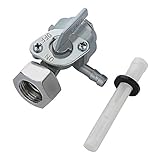
Savior Generator Petcock Gas Fuel Tank Shut Off Valve for Champion Generac | 0j0974,Switch,Predator Etq Homelite Husky Powermax,(16mm x 1.5mm)

GX160 Pull Start Assembly with Start Cup Compatible with Honda GX120 GX200 | Recoil Starter Compatible with 28400-ZE1-003ZF 28400-ZH8-013YA Pull Starter Engine 4/5.5/6.5hp Motor (2 PACK)

Generac 5W-20 Maintenance Kit for 20Kw-26Kw 999cc Generators (Replaces A0002074712)

YGQ Generator Fuel Petcock Shut Off Valve for Champion 122.070400.05 | for Generac 310574GS Firman Gas Tank Switch M10X1.25mm
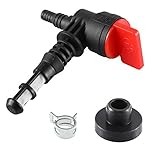
Supermotorparts 192980GS Fuel Shut Off Valve Service Kit w/Grommet Bushing Plastic Gas Tank

GNA410 Generator Wheel and Handle Kit for W-EN 4500 and 4750-Watt Generators, Compatible with W-EN DF475T, DF475, GN4500, DF472, DF475X, DF472X
About GeneratorStop.com
We are your #1 power generator guide and resource online. We are dedicated on providing you the best and most useful generator related articles, reviews and tools. learn more...