


Yamaha Generators Oil Type

* This site contains affiliate links for which we may be compensated.
Yamaha generators are known for being quiet, efficient, and reliable—but only if you feed them the right oil and keep up with basic maintenance. Choosing the correct oil type for your Yamaha generator protects the engine, improves cold starts, and helps your inverter or portable unit last for years. This guide walks through recommended oil weights, capacities, and change schedules so you can keep your Yamaha running at its best.
Recommended Oil Types for Yamaha Generators
Most Yamaha portable and inverter generators use air‑cooled 4‑stroke engines. For these, Yamaha typically recommends multi‑grade automotive oil such as SAE 10W‑30 engine oil for general use. Many owners also choose name‑brand small‑engine oils or Yamaha’s own Yamalube 4‑stroke oil in a similar viscosity.
A simple way to match viscosity to temperature:
- Most climates (above 0°F / −18°C): high‑quality 10W‑30 oil (conventional or synthetic) is a safe default.
- Colder climates (frequent starts below 20°F / −7°C): thinner SAE 5W‑30 flows faster at startup and reduces wear.
- Hot, heavy‑duty use: some manuals allow 10W‑40 or straight SAE 30 above about 40°F (4°C)—always check your specific model’s chart.
For a deeper look at how 5W‑20, 5W‑30, and 10W‑30 compare for generator engines in general, the guide at 5W20 vs 5W30 vs 10W30 Oil – Which One to Use for Generators? is a helpful reference alongside your Yamaha manual.

STP Premium Synthetic Blend 4 Cycle Small Engine Oil, SAE 10w30 Motor Oil for Lawnmowers, Generators, Tractors, Snow Blowers, and More, 32 fl oz

TRIAX Power 4-Stroke 10W-30 Full Synthetic 4-Cycle Small Engine Motor Oil | For Lawnmower, Generator, Tractor, Log Splitter, Snow Blower, Pressure Washer, Cement Mixer, and More (1 Quart)

Valvoline Advanced Full Synthetic SAE 10W-30 Motor Oil 5 QT | Proven to maximize engine life, 40% stronger wear protection, 15% better deposit defense, up to 2.5X better heat protection
Oil Specification and Quality
In addition to viscosity, Yamaha specifies that the oil should meet certain API classifications (for example, API SE, SF, SG or later). Modern oils labeled API SJ, SL, SM, SN, or SP will typically exceed the minimum.
Good practices when choosing oil for a Yamaha generator:
- Use name‑brand oil with a clearly marked API rating on the label.
- For frequent or heavy use, consider a full synthetic 10W‑30 designed for small engines or automotive use.
- Avoid unbranded, no‑spec bulk oils that don’t list viscosity and API service class.
Yamaha also produces its own Yamalube oils specifically formulated for their engines. If you prefer OEM fluids, searching for Yamalube 4 10W‑30 or similar can be a simple, worry‑free choice.
How Much Oil Does a Yamaha Generator Take?
Oil capacity varies by generator size and engine family. Always confirm with the owner’s manual or engine label, but these ballpark figures are common:
- Small inverter models (around 1000–2200W, e.g., EF1000iS/EF2000iS): roughly 0.3–0.4 qt (10–13 oz / ~0.3–0.4 L).
- Mid‑size inverters (around 2400–4500W): often around 0.5–0.7 qt (~0.5–0.7 L).
- Larger open‑frame or contractor‑style units (5000W+): typically around 1.0–1.2 qt (~0.95–1.1 L).
Treat these as estimates only. Overfilling can cause smoking, plug fouling, and leaks, while underfilling can lead to low‑oil shutdowns or even engine damage. Make the dipstick or level plug your final authority.
For exact, model‑specific oil capacity and viscosity charts, refer to Yamaha’s official documentation for your generator—for example the manuals and resources section here: Yamaha Generator Manuals & Resources (replace with the correct official Yamaha link for your region/model).
Oil Change Schedule for Yamaha Generators
Yamaha’s maintenance schedules are broadly similar to other premium portable generator brands. Typical recommendations look like this:
- First oil change (break‑in): after the first 20–25 hours of operation, or within the first month.
- Regular oil changes: every 50–100 hours of use, or at least once per season.
- Heavy or dusty environments: change closer to every 50 hours and check oil level more often.
If you run your Yamaha for long stretches during outages or camping trips, it’s smart to change oil at the end of any multi‑day run, even if you haven’t technically hit the scheduled hour mark. For broader DIY repair and maintenance ideas across brands, the collection at Generator Parts and Repairs is worth exploring.
How to Check Oil Level on a Yamaha Generator
Checking oil before each use is quick insurance against expensive repairs.
- Place the generator on a level surface and make sure the engine is cool and off.
- Open the side service panel (on inverter models) or locate the oil fill cap/dipstick on the engine.
- Unscrew and remove the cap; wipe the dipstick clean with a rag.
- Reinsert the dipstick as specified in your manual (some measure without screwing it in).
- Remove again and verify the oil film sits between the low and full marks.
- If low, add a little of the recommended generator engine oil, checking frequently until it reaches the full line—don’t overfill.
How to Change Oil on a Yamaha Generator
The exact layout differs (especially between compact inverters and larger open‑frame units), but the basic steps are similar across Yamaha generators.
- Warm the engine for 2–3 minutes to thin the oil, then shut it off and let it cool slightly.
- Turn the fuel petcock to OFF (if equipped) and disconnect the spark plug boot for safety.
- Place a low‑profile oil drain pan under the drain plug or beneath the side where you’ll tilt the unit.
- Remove the oil fill cap/dipstick to vent. On models with a drain bolt, remove it and allow the oil to drain completely. On some small inverters, tilt the generator carefully and drain oil out of the fill port.
- Once drained, reinstall the drain bolt and washer securely.
- Refill with fresh oil using a small oil funnel kit to avoid spills. Add oil in small increments and check the dipstick until it reaches the full mark.
- Reinstall the dipstick/cap, reconnect the spark plug boot, and run the generator for a few minutes.
- Shut it down, recheck the oil level, and top off if needed. Dispose of used oil at a recycling center or auto parts store.
For Yamaha owners who are also troubleshooting running issues like surging or hard starting, pairing oil changes with other maintenance steps (air filter, spark plug, fuel quality) is smart. Many of those basics are similar to the processes shown in brand‑specific reviews and repair‑oriented guides like Westinghouse Generator Reviews (Dual Fuel, Inverter, Standby).
Choosing Oil Weight by Climate and Use
Here’s a quick way to match oil to how and where you use your Yamaha:
- General use, mild to warm climates: 10W‑30 strikes a good balance between cold‑start protection and high‑temp stability.
- Cold‑weather camping or winter backup: 5W‑30 improves cranking and gets oil to the top end faster during freezing starts.
- Hot climates, longer runtimes: a robust synthetic 10W‑30 (or 10W‑40 if the manual allows) maintains film strength under sustained high load.
Always defer to the viscosity recommendations in your specific Yamaha owner’s manual. If the manual offers a temperature/viscosity chart, use that as your primary guide and adjust only within the listed options.
Can You Use Synthetic Oil in a Yamaha Generator?
Most modern Yamaha generator engines can safely run synthetic oil as long as it matches the specified viscosity and API rating. Many users prefer a quality 10W‑30 full synthetic oil because it offers:
- Better protection at high temperatures during long runtimes.
- Improved low‑temperature flow compared with some conventional oils.
- Cleaner operation with less deposit buildup over time.
If your generator is still under warranty, confirm that synthetic oil is allowed in the manual. Even when synthetic is permitted, you should still follow Yamaha’s recommended oil‑change intervals rather than stretching them too far.
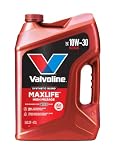
Valvoline MaxLife High Mileage 10W-30 Synthetic Blend Motor Oil 5 Quart | #1 High Mileage Motor Oil Brand, helps protect aging engines, reduce leaks and minimize oil consumption

Valvoline Advanced Full Synthetic SAE 10W-30 Motor Oil 1 QT | Proven to maximize engine life, 40% stronger wear protection, 15% better deposit defense, up to 2.5X better heat protection

Mobil 1 Advanced Full Synthetic Motor Oil 10W-30, 5 Quart | 10,000-Mile Protection | Triple Action Formula | Friction Reduction
Helpful Oil & Maintenance Accessories
A few inexpensive accessories can make Yamaha generator maintenance easier and less messy:
- Generator oil change kits that include funnels, gloves, and drain tubes.
- Disposable shop rags to wipe up spills and keep the enclosure clean.
- Small‑engine tune‑up kits that bundle oil with spark plugs and air filters.
If you are just getting into generator ownership or comparing brands, browsing repair and maintenance content like Generator Parts and Repairs can give you a better sense of how oil choice fits into the bigger picture of long‑term reliability.
Summary
For most Yamaha generators, a quality 10W‑30 oil that meets modern API specs is the go‑to choice, with 5W‑30 favored for very cold climates and heavier grades only where the manual explicitly allows them. Check the oil level before every run, follow Yamaha’s break‑in and regular change intervals, and match viscosity to your temperature range. That small bit of attention is one of the biggest factors in keeping your Yamaha generator quiet, efficient, and ready whenever you need it.
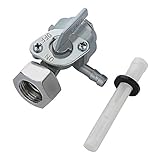
Savior Generator Petcock Gas Fuel Tank Shut Off Valve for Champion Generac | 0j0974,Switch,Predator Etq Homelite Husky Powermax,(16mm x 1.5mm)

GX160 Pull Start Assembly with Start Cup Compatible with Honda GX120 GX200 | Recoil Starter Compatible with 28400-ZE1-003ZF 28400-ZH8-013YA Pull Starter Engine 4/5.5/6.5hp Motor (2 PACK)

Generac 5W-20 Maintenance Kit for 20Kw-26Kw 999cc Generators (Replaces A0002074712)

YGQ Generator Fuel Petcock Shut Off Valve for Champion 122.070400.05 | for Generac 310574GS Firman Gas Tank Switch M10X1.25mm
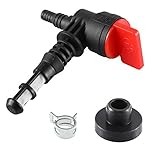
Supermotorparts 192980GS Fuel Shut Off Valve Service Kit w/Grommet Bushing Plastic Gas Tank

GNA410 Generator Wheel and Handle Kit for W-EN 4500 and 4750-Watt Generators, Compatible with W-EN DF475T, DF475, GN4500, DF472, DF475X, DF472X
About GeneratorStop.com
We are your #1 power generator guide and resource online. We are dedicated on providing you the best and most useful generator related articles, reviews and tools. learn more...