


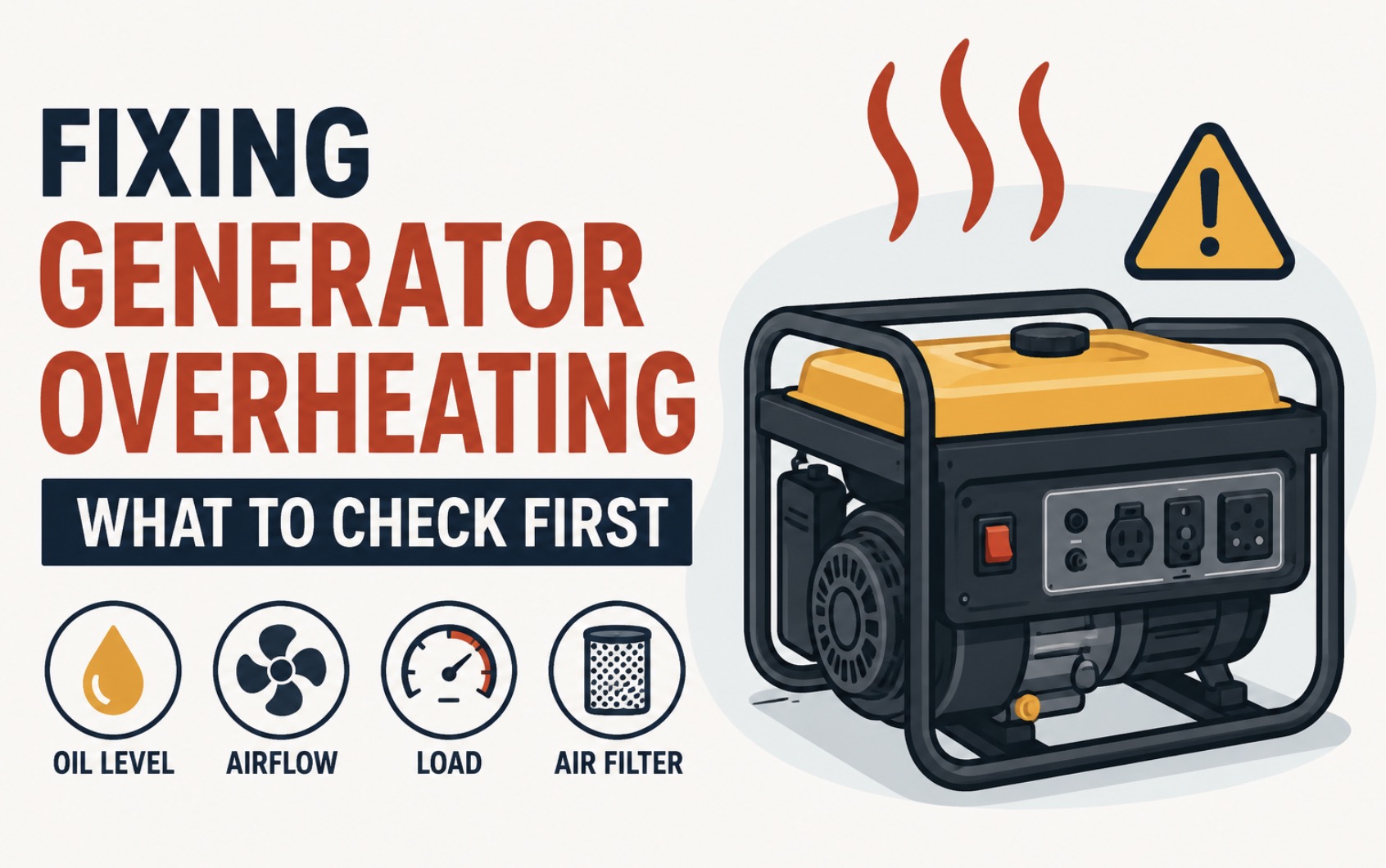
Fixing Generator Overheating Issues: What to Check First
* This site contains affiliate links for which we may be compensated.
A generator that keeps overheating is warning you that something is wrong with airflow, oil, fuel mixture, load, placement, or internal engine condition. Heat is normal when a generator is working, but excessive heat is not. If the engine smells hot, shuts down, loses power, smokes, trips overload protection, or feels much hotter than usual, you should stop and troubleshoot before the problem turns into a seized engine, burned wiring, damaged alternator, or complete generator failure.
Generator overheating usually does not come from one mysterious cause. It is often the result of a few simple issues stacking together: low oil, dirty cooling fins, blocked airflow, old fuel, running too much load, using the generator in direct sun, or letting it sit too close to walls and objects. The good news is that many overheating problems can be found with a careful inspection before you start replacing expensive parts.
For a broader look at common generator parts, repairs, and failure points, see Generator Parts and Repairs.
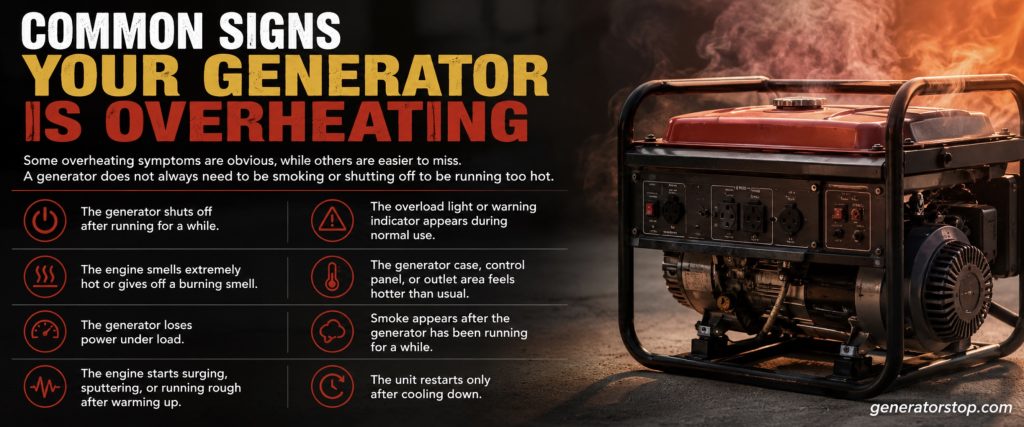
Common Signs Your Generator Is Overheating
Some overheating symptoms are obvious, while others are easier to miss. A generator does not always need to be smoking or shutting off to be running too hot.
Common overheating signs include:
- The generator shuts off after running for a while.
- The engine smells extremely hot or gives off a burning smell.
- The generator loses power under load.
- The engine starts surging, sputtering, or running rough after warming up.
- The overload light or warning indicator appears during normal use.
- The generator case, control panel, or outlet area feels hotter than usual.
- Smoke appears after the generator has been running for a while.
- The unit restarts only after cooling down.
If the generator repeatedly shuts down only after it gets hot, treat that as an important clue. A cold-start problem usually points to fuel, spark, battery, or carburetor issues. A hot shutdown often points more toward oil level, airflow, overload, fuel vaporization, ignition coil heat failure, or poor cooling.
Step 1: Shut It Down and Let It Cool
Before checking anything, shut the generator off and let it cool. Do not keep forcing it to run while it is overheating. Heat damage can build quickly, especially if the engine is low on oil or the generator is overloaded.
Do this first:
- Turn off and unplug all connected loads.
- Move away from the generator while it cools.
- Do not remove the oil cap immediately if the engine is extremely hot.
- Do not refuel while the generator is hot.
- Let the engine cool before touching covers, muffler areas, or metal parts.
Once the generator is cool enough to inspect safely, start with the simplest causes first.
Step 2: Check the Oil Level
Low oil is one of the first things to check on any overheating generator. Oil lubricates the engine, reduces friction, and helps carry heat away from internal parts. If the oil level is low, dirty, old, or the wrong viscosity, the engine can run hotter than normal.
Check oil properly:
- Place the generator on level ground.
- Let the engine sit for a few minutes after shutdown.
- Remove and wipe the dipstick clean.
- Check the level according to the owner’s manual.
- Top off slowly if the oil is low.
- Do not overfill the crankcase.
Some generators have a low-oil shutdown system. If oil is borderline low, the generator may run briefly and then shut down when vibration, slope, or heat causes the sensor to detect an unsafe level. If that sounds like your issue, read Generator Keeps Shutting Off? Low Oil May Be Why.
It is a good idea to keep generator 10W-30 oil, a clean generator oil funnel kit, and a small oil drain pan with your maintenance supplies.
Step 3: Confirm You Are Using the Correct Oil
Oil level matters, but oil type matters too. If the oil is too thin for hot weather or too thick for cold startup conditions, the engine may not be protected as well as it should be.
Wrong oil can contribute to:
- Higher engine temperatures
- Hard starting
- Low-oil shutdown confusion
- Increased engine wear
- Smoking or oil consumption on older engines
If you are unsure which viscosity makes sense for your generator, climate, and season, see 5W20 vs 5W30 vs 10W30 Oil – Which One to Use for Generators?.

Generac 0J93230SSM 20Kw-22Kw SM 999 Maintenance Kit (Synthetic Oil)

Generac 5W-20 Maintenance Kit for 20Kw-26Kw 999cc Generators (Replaces A0002074712)
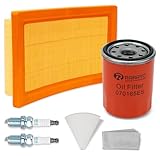
RARAYC 6485 Maintenance Kit Compatible with Generac 16KW 20KW 22KW 24KW 26KW Cooled Generators 999cc Engine with Paper Funnel Oil Wipe Replace Part Number 0J8478S Air Filter 070185E Oil Filter
Step 4: Inspect the Airflow Around the Generator
Generators need open space around them to cool properly. A portable generator placed too close to a wall, fence, garage door, shed, RV, porch, or pile of storm debris can recirculate hot air and overheat.
Check the placement:
- Is the generator outdoors in open air?
- Is it too close to a wall or fence?
- Is the exhaust pointed toward an obstacle?
- Is hot air being trapped under a cover?
- Is the generator sitting in direct sun on hot pavement?
- Is grass, leaves, plastic, or debris blocking the cooling path?
Never solve overheating by moving the generator indoors, into a garage, or into a shed. That creates a carbon monoxide danger. The generator needs outdoor ventilation, not enclosed shade.
If you need rain protection, use a properly ventilated generator running cover for rain designed for operation, not a storage cover that traps heat.
Step 5: Clean the Cooling Fins and Engine Shroud
Most portable generators use air-cooled engines. That means air must move across cooling fins and around the engine to carry heat away. If the fins are packed with dust, grass clippings, mud, leaves, rodent nesting material, or oily grime, the generator can overheat even when everything else is working.
Inspect these areas:
- Engine cooling fins
- Recoil starter intake openings
- Engine shroud vents
- Muffler guard area
- Alternator ventilation slots
- Fan or flywheel intake area if visible
Use a soft brush, compressed air, or a dry cloth to clear debris. Do not blast water directly into electrical parts, outlets, switches, or the alternator housing. A clean airflow path is one of the simplest overheating fixes.
Step 6: Check the Air Filter
A clogged air filter can make the engine run rich, lose power, smoke, and build excess heat. The engine may still run, but it will not breathe properly. During hot weather or heavy loads, that can contribute to overheating and poor performance.
Remove the air filter cover and inspect the filter:
- If it is a paper filter and it is dirty, oily, wet, or damaged, replace it.
- If it is a foam filter, clean it only according to the manual.
- If the air box has oil inside, check whether the engine was overfilled or tipped.
- Make sure the filter is seated correctly before reinstalling the cover.
A fresh generator air filter replacement is inexpensive and can solve problems that look more serious than they really are.
Step 7: Make Sure the Generator Is Not Overloaded
Overloading is one of the most common causes of heat-related generator problems. When a generator is asked to power more than it is rated for, the engine and alternator work harder. That extra strain creates heat, voltage instability, breaker trips, and sometimes shutdowns.
Overload clues include:
- The generator overheats only when larger appliances are connected.
- The engine bogs down when a refrigerator, pump, compressor, or AC starts.
- The overload light comes on.
- Breakers trip after several minutes of use.
- Cords or plugs feel warm.
- The generator runs normally with small loads but struggles with larger ones.
Do not judge by total appliance labels alone. Motors can draw much more power at startup than they use while running. Refrigerators, sump pumps, well pumps, air compressors, and window air conditioners can all create surge loads.
To avoid overloading, use Generator Load Calculation Sheet and Formula to estimate your real running watts and startup surge needs.
Step 8: Inspect Extension Cords and Connections
A generator may overheat or appear overloaded because the cords are wrong for the job. Thin, long, damaged, or undersized cords create voltage drop and heat. That makes the generator work harder and can also damage appliances.
Check for:
- Warm or hot plug ends
- Loose-fitting plugs
- Burn marks on plug blades
- Cracked insulation
- Long household cords used for heavy appliances
- Multiple cords chained together
For heavier loads, use a properly rated heavy-duty generator extension cord. For home backup setups, a proper generator power inlet box or generator transfer switch kit may be safer than improvised cords.

Upgraded Watt Power Meter Plug Home Electrical Usage Monitor Consumption, Energy Voltage Amps Kill Tester with Backlight, Overload Protection, 7 Modes Display

PLIS 25FT Generator Extension Cord, NEMA L5-30P to 3X 5-15R

PlugSaf 25FT 30 Amp Generator Cord 4 Prong, 10AWG 125/250V 3750/7500W STW
Step 9: Check for Lean Running From Fuel Problems
A generator can run hot if the fuel mixture is too lean. This means the engine is getting too much air or not enough fuel. A lean engine can surge, pop, run unevenly, lose power, and overheat under load.
Lean-running causes include:
- Partially clogged carburetor jets
- Dirty fuel filter
- Restricted fuel line
- Blocked tank vent
- Old fuel leaving deposits in the carburetor
- Air leak around the carburetor or intake gasket
If the generator only runs smoothly with the choke partly on, the carburetor may be restricted. That is a fuel-delivery clue, not a normal operating mode. Running it that way for long periods is not a real fix.
Step 10: Inspect the Carburetor and Fuel Flow
A dirty carburetor can create both performance and heat problems. If the main jet is partially clogged, the generator may run lean under load. If the float or needle is sticking, it may run rich, smoke, or flood. Either way, the engine will not run correctly.
Check these fuel-system points:
- Is fuel flowing freely from the tank to the carburetor?
- Is the fuel shutoff valve fully open?
- Is the fuel line cracked, kinked, or clogged?
- Is the carburetor bowl clean?
- Does the generator surge when loads are connected?
- Does using partial choke make it run better?
If stale fuel or storage residue is part of the problem, a generator carburetor cleaner or replacement generator carburetor may be needed.
Step 11: Check the Spark Plug
A weak or fouled spark plug can cause incomplete combustion, rough running, power loss, and extra heat. It may not be the first thing people think of with overheating, but it is easy to check and cheap to replace.
Remove the spark plug and inspect it:
- Dry black soot can mean rich running.
- White or blistered deposits may suggest overheating or lean running.
- Wet fuel on the plug can point to flooding or ignition trouble.
- Oil on the plug can suggest oil burning or internal wear.
- A worn electrode can cause weak spark and poor combustion.
If the plug looks questionable, replace it with the correct type. Keeping a spare generator spark plug is a smart move for any generator owner.
Step 12: Watch for Smoking, Burning Smell, or Oil Problems
Overheating and smoke often appear together. If the generator is smoking, identify the smoke color before continuing.
Smoke clues:
- Blue smoke: oil is likely burning.
- Black smoke: fuel mixture may be too rich or airflow may be restricted.
- White smoke: could be condensation, oil, fuel, or contamination depending on smell and duration.
If the engine smokes while overheating, do not keep running it hard. Check oil level, air filter, fuel quality, spark plug, and carburetor condition before assuming the engine is permanently damaged.
Step 13: Check for Debris Around the Muffler
The muffler gets extremely hot during generator operation. Leaves, dry grass, plastic bags, rags, cardboard, and stored garage clutter near the muffler can create burning smells, smoke, and fire risk.
Check around:
- Muffler outlet
- Muffler heat shield
- Exhaust path
- Grass or leaves underneath the unit
- Any cover or tarp near the exhaust
Do not operate a generator with a tarp, cover, or enclosure blocking the muffler or cooling airflow.
Step 14: Let the Generator Rest During Long Runs
Many generators can run for extended periods, but that does not mean they should be neglected during long outage use. If the weather is hot, the generator is heavily loaded, or airflow is limited, planned rest periods can help reduce stress.
During extended use:
- Check oil level during safe shutdown intervals.
- Let the engine cool before refueling.
- Clear debris from around the unit.
- Rotate loads instead of running everything continuously.
- Listen for changes in engine sound.
A generator that sounds different after several hours may be telling you it needs attention.
When Overheating Means a Bigger Repair Is Needed
If oil level, airflow, load, cords, fuel, and air filter all check out, the overheating may come from a deeper issue.
Possible deeper causes include:
- Ignition coil failing when hot
- Excessive internal engine friction
- Worn piston rings or low compression
- Blocked muffler or exhaust restriction
- Damaged flywheel fan fins
- Alternator bearing drag
- Internal alternator or winding overheating
At that point, continued DIY guessing can waste time. If the generator repeatedly overheats under light load even after basic maintenance, it may need professional diagnosis.
How to Prevent Generator Overheating
Preventing overheating is mostly about maintenance and smart operation.
Good habits include:
- Check oil before every use.
- Use the correct oil viscosity.
- Keep cooling fins and vents clean.
- Replace dirty air filters.
- Use fresh fuel.
- Clean the carburetor if the engine surges or runs lean.
- Do not overload the generator.
- Use properly rated cords.
- Run the generator outdoors with plenty of open space.
- Keep debris away from the muffler and exhaust.
Most overheating problems start small. Catching them early can save the engine and alternator from much more expensive damage.
Summary
Fixing generator overheating starts with the basics: shut the generator down, let it cool, check oil level, confirm the correct oil type, inspect airflow, clean cooling fins, replace a dirty air filter, reduce the load, and check cords and fuel flow. If the generator overheats only under heavy load, you may be asking too much from it. If it overheats with light loads after basic maintenance, deeper issues like carburetor restriction, ignition failure, internal wear, exhaust blockage, or alternator problems may be involved. Do not ignore overheating. A generator that runs too hot can quickly move from a repairable problem to complete engine failure.
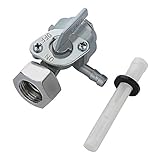
Savior Generator Petcock Gas Fuel Tank Shut Off Valve for Champion Generac

YAMAKATO 5~8KW Generator AVR Automatic Voltage Regulator Rectifier

WOTIAN Pull Start Assembly Compatible with Champion 389cc 420cc 439cc 459cc 5500w 7500w 9000w Generator Parts Engine Recoil Starter Part#46.061000.00

5~9.9KW Generators AVR Automatic Voltage Regulator Rectifier for Predator Honda Champion Duromax Firman Generac 5000 5500 6000 6500 7000 7500 8000 8500 8750 9000 9500 Watt 338cc~459cc Generator Parts
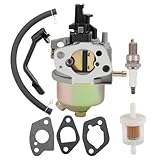
Harbot Carburetor for Harbor Freight Chicago Predator 4000 3000 3050 3200 Watts Generator Powered by A 212CC 208CC 7HP 6.5HP Engine Parts with Fuel Filter Spark Plug
About GeneratorStop.com
We are your #1 power generator guide and resource online. We are dedicated on providing you the best and most useful generator related articles, reviews and tools. learn more...