


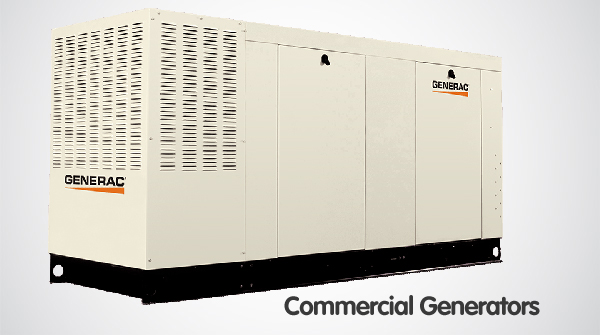
Commercial Generators
* This site contains affiliate links for which we may be compensated.
If you have recently opened a business or you’re relocating, then you may be curious as to what a commercial generator is. Simply put a commercial generator is a standby generator that is used to provide electricity to commercial properties during an unexpected power outage to maintain productivity.
While you’ll find portable and standby generators on residential properties you’re likely to find commercial and towable generators on commercial properties. As the name suggests, towable generators can be towed and are common among business with multiple buildings close by. Since commercial generators are hardwired in the power line of the property, they automatically restore the power during an outage.
Do I Need A Commercial Generator?
Whether you run a restaurant, bakery, retail store or a law firm, having a commercial generator can be very beneficial. By having a backup power source for unplanned outages, you can keep customers happy and maintain a comfortable and efficient work environment. A commercial generator ensures that your heat and air conditioning are always on. For restaurants, it’s an economical method of ensuring that food doesn’t spoil during power outages and cash registers are kept functional.
Commercial Generators Hazard and Safety Tips
– Hire a trained electrician to install your commercial generator properly to prevent damage to appliances, back feed of electricity into your utility lines, and the release of fumes that can be harmful.
– Adhere to safe refueling guidelines. Ensure that the generator has cooled down before you refuel.
– Appoint an electrician to inspect your equipment regularly for signs of defects or damage.
– Ensure that there is no smoking on the property close to the equipment.
– Spilling oil, fuel and any combustible material close to the generator may lead to an explosion.
– Keep a fire extinguisher close by. Never use extinguishers with toxic fumes; like those that operate on carbon tetrachloride.
Buying Guide and Tips
When you purchase a commercial generator, it’s important that you purchase one with the right voltage. The utility on most residential properties is usually “single-phase” and it powers all 120/240 volt appliances and electronics in your house. For commercial properties it’s generally “three phase” and it can run machines and appliances with a greater electric demand.
Inspect your main electric panel to determine what generator you need. For most residential properties electricity enters the structure at 277/480 or 120/208 into the first electric panel. It’s best to purchase a generator that matches the incoming electricity, though you can use a step-down transformer to convert to a lower voltage.
If your business is small it’s possible that you can use a single phase generator that produces 240 volts. Large companies will require a three phase to run equipment. Hire a trained electrician to help you make the right choice.
While the information above is generic it gives you a brief idea of all that you need to know to find the right commercial generator for your property.
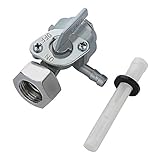
Savior Generator Petcock Gas Fuel Tank Shut Off Valve for Champion Generac | 0j0974,Switch,Predator Etq Homelite Husky Powermax,(16mm x 1.5mm)

GX160 Pull Start Assembly with Start Cup Compatible with Honda GX120 GX200 | Recoil Starter Compatible with 28400-ZE1-003ZF 28400-ZH8-013YA Pull Starter Engine 4/5.5/6.5hp Motor (2 PACK)

Generac 5W-20 Maintenance Kit for 20Kw-26Kw 999cc Generators (Replaces A0002074712)

YGQ Generator Fuel Petcock Shut Off Valve for Champion 122.070400.05 | for Generac 310574GS Firman Gas Tank Switch M10X1.25mm
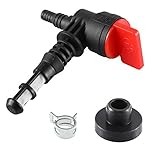
Supermotorparts 192980GS Fuel Shut Off Valve Service Kit w/Grommet Bushing Plastic Gas Tank
About GeneratorStop.com
We are your #1 power generator guide and resource online. We are dedicated on providing you the best and most useful generator related articles, reviews and tools. learn more...